
Search
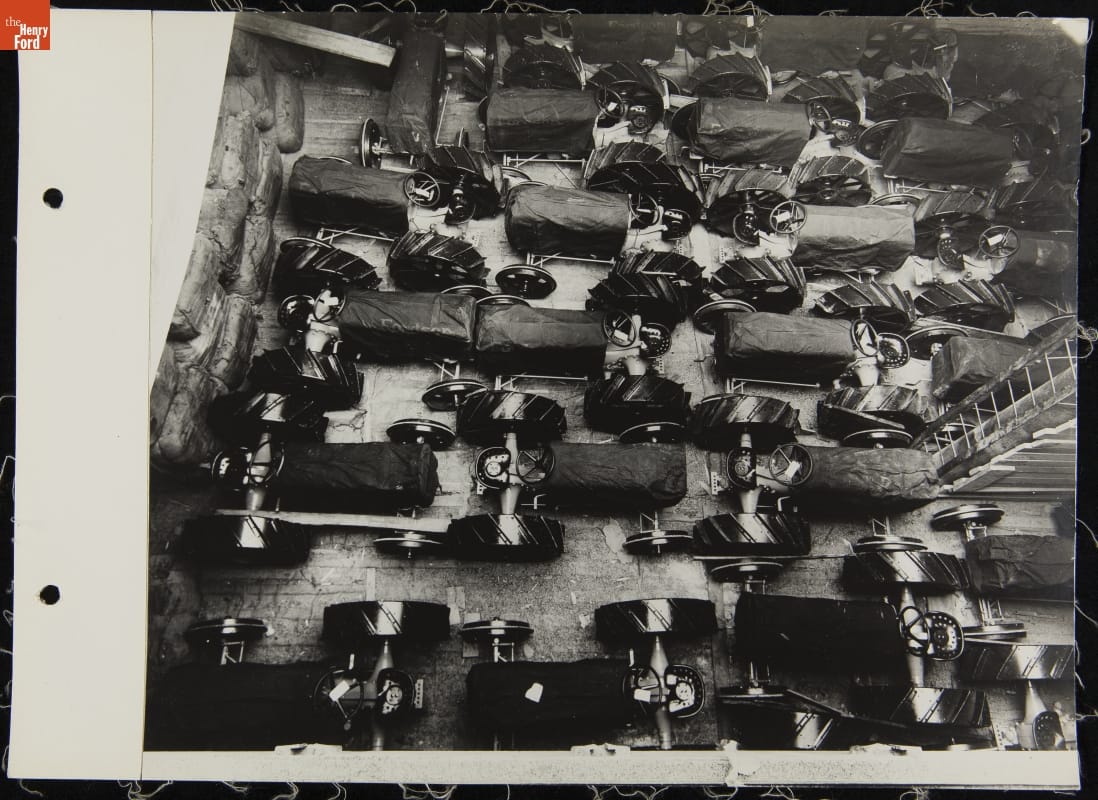
- Fordson Tractors on Board SS Kerhonkson, Ford Plant at Cork, Ireland, May 1929 - Henry Ford formed an Irish subsidiary company, Henry Ford & Son Limited, in 1917. He opened a tractor plant in County Cork, Ireland, two years later. The factory soon began building components for Ford automobiles, and tractor production ceased in 1922. Tractors returned to the factory's product output in 1929, but the Depression ended Cork tractor production for good in 1932.
- May 30, 1929
- Collections - Artifact
Fordson Tractors on Board SS Kerhonkson, Ford Plant at Cork, Ireland, May 1929
Henry Ford formed an Irish subsidiary company, Henry Ford & Son Limited, in 1917. He opened a tractor plant in County Cork, Ireland, two years later. The factory soon began building components for Ford automobiles, and tractor production ceased in 1922. Tractors returned to the factory's product output in 1929, but the Depression ended Cork tractor production for good in 1932.
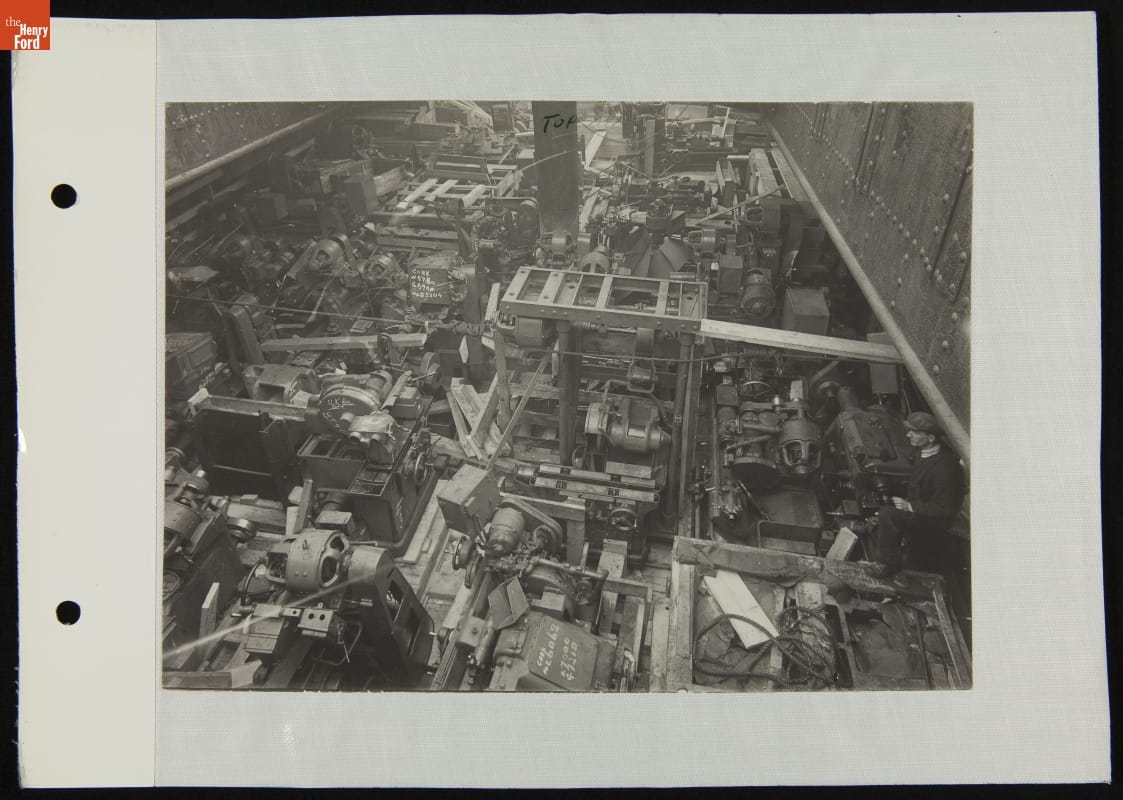
- Material Stowed in the Cargo Hold of SS Lake Gorin, Cork, Ireland, circa 1928 - Henry Ford purchased 199 surplus World War I merchant ships from the United States government in 1925. Most of these ships were scrapped. But a few, like the <em>Lake Gorin</em>, were refitted into ocean-going freighters. The freighters transported parts and supplies between Ford facilities located in cities along the American seaboard and to Ford plants in England and Ireland.
- circa 1928
- Collections - Artifact
Material Stowed in the Cargo Hold of SS Lake Gorin, Cork, Ireland, circa 1928
Henry Ford purchased 199 surplus World War I merchant ships from the United States government in 1925. Most of these ships were scrapped. But a few, like the Lake Gorin, were refitted into ocean-going freighters. The freighters transported parts and supplies between Ford facilities located in cities along the American seaboard and to Ford plants in England and Ireland.
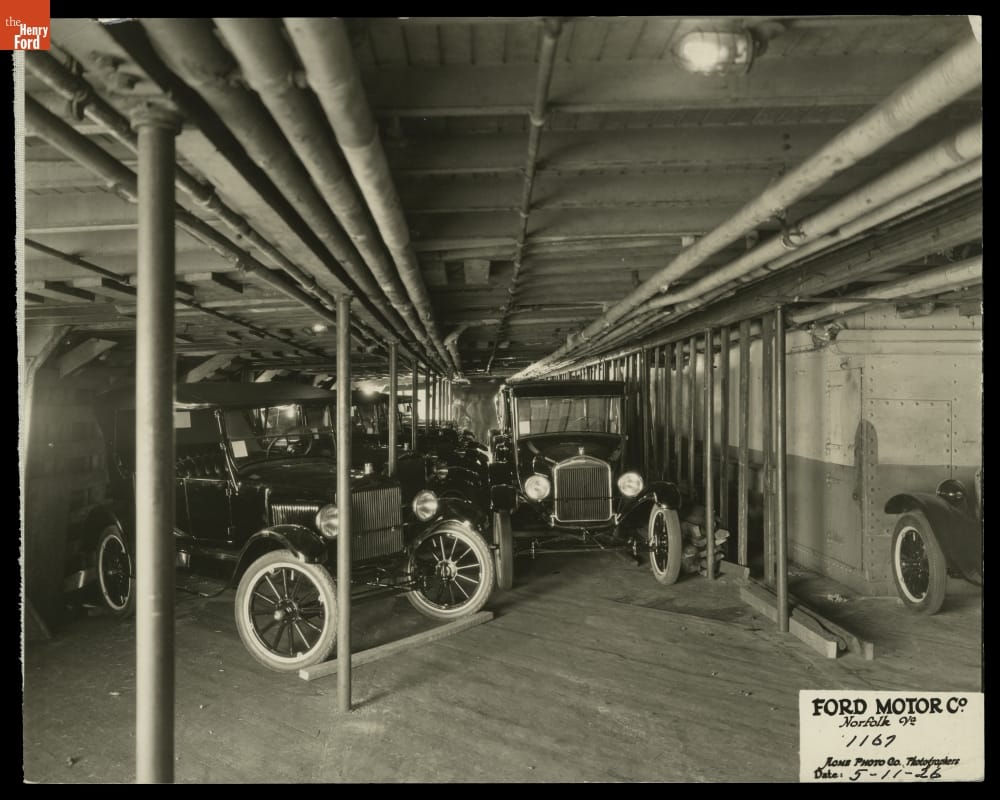
- Ford Model T Automobiles in Ship's Hold, 1926 - Ford Motor Company sent its Model T cars to destinations around the world. When moved by railroad, cars were partially disassembled to save space in boxcars. When going overseas, cars could either be partially disassembled and crated, or loaded into a ship's hold fully assembled. Gas, oil and water were usually drained from each vehicle to reduce weight.
- May 11, 1926
- Collections - Artifact
Ford Model T Automobiles in Ship's Hold, 1926
Ford Motor Company sent its Model T cars to destinations around the world. When moved by railroad, cars were partially disassembled to save space in boxcars. When going overseas, cars could either be partially disassembled and crated, or loaded into a ship's hold fully assembled. Gas, oil and water were usually drained from each vehicle to reduce weight.
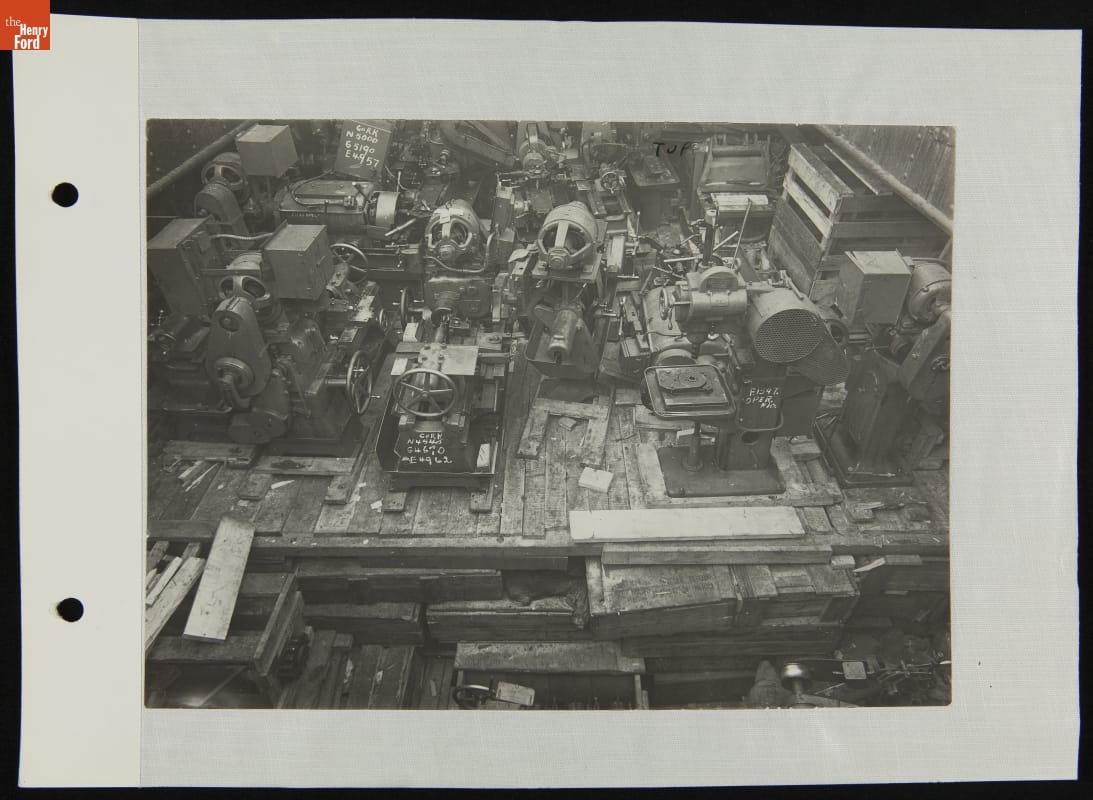
- Material Stowed in the Cargo Hold of SS Lake Gorin, Cork, Ireland, circa 1928 - Henry Ford purchased 199 surplus World War I merchant ships from the United States government in 1925. Most of these ships were scrapped. But a few, like the <em>Lake Gorin</em>, were refitted into ocean-going freighters. The freighters transported parts and supplies between Ford facilities located in cities along the American seaboard and to Ford plants in England and Ireland.
- circa 1928
- Collections - Artifact
Material Stowed in the Cargo Hold of SS Lake Gorin, Cork, Ireland, circa 1928
Henry Ford purchased 199 surplus World War I merchant ships from the United States government in 1925. Most of these ships were scrapped. But a few, like the Lake Gorin, were refitted into ocean-going freighters. The freighters transported parts and supplies between Ford facilities located in cities along the American seaboard and to Ford plants in England and Ireland.